
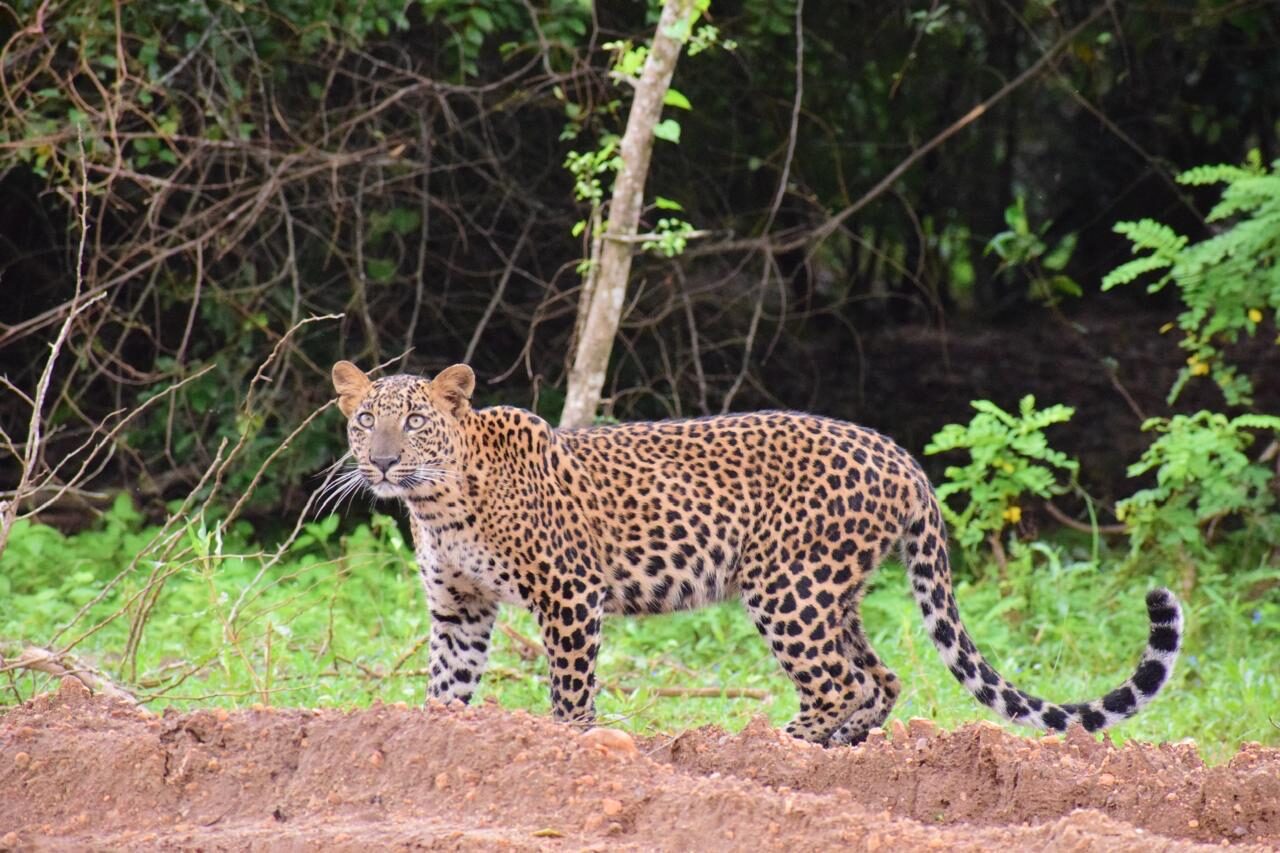
Wilpattu National Park
The island's largest park - leopards, natural lakes and a fraction of Yala's jeeps
Wilpattu is the largest and one of the oldest national parks in Sri Lanka, covering roughly 1,317 square kilometres across the Anuradhapura and Puttalam districts. Its name means "land of lakes", after the villus - natural sand-rimmed rainwater basins scattered through dense dry forest. It holds leopards, sloth bears and elephants, and it receives a small fraction of Yala's visitors.
Wilpattu versus Yala
Wilpattu is thick forest punctuated by open villus, so sightings take longer and require more patience than Yala's open scrub. What you get in exchange is solitude - it is entirely normal to spend a morning without seeing another jeep, which is unheard of in Yala Block 1.
Leopards are present in good numbers and are increasingly seen. Sloth bears are a genuine possibility, particularly February to October. If your priority is photographs without twenty other vehicles in the frame, this is the park.
When to go
February to October is the main season, with the dry months concentrating animals around the villus. The park sits close to Anuradhapura, so it slots naturally into a Cultural Triangle itinerary rather than requiring a separate leg.
Highlights of Wilpattu National Park
- Leopard sightings without the jeep queues
- Sloth bears, most active February to October
- The villus - natural sand-rimmed lakes
- Sri Lanka's largest and oldest national park
- Easily combined with Anuradhapura
Tours that visit Wilpattu National Park
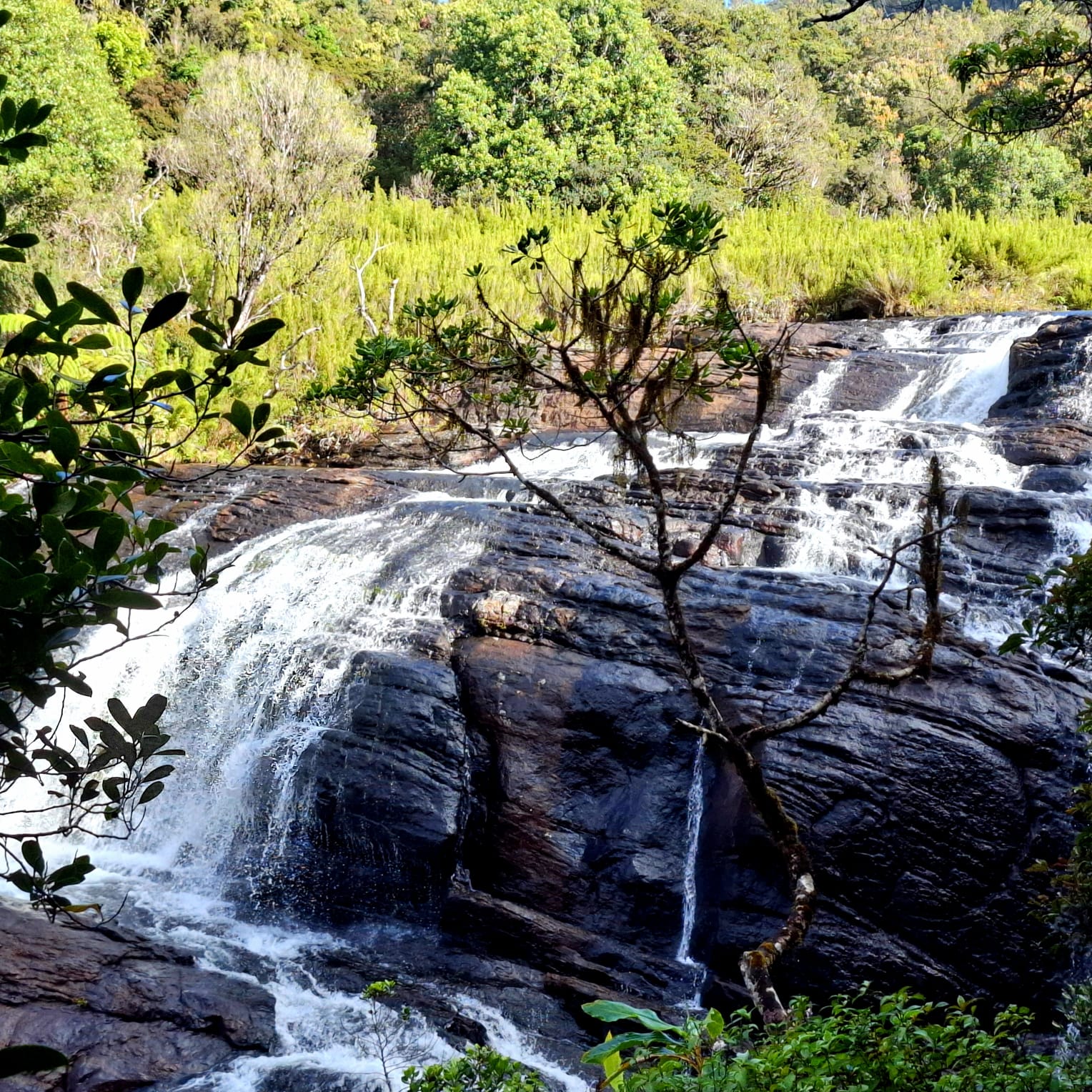
Grand Sri Lanka Adventure - 14 Days
The ultimate Sri Lankan experience combining ancient cities, Adam's Peak pilgrimage, hill country, wildlife, and beach relaxation.
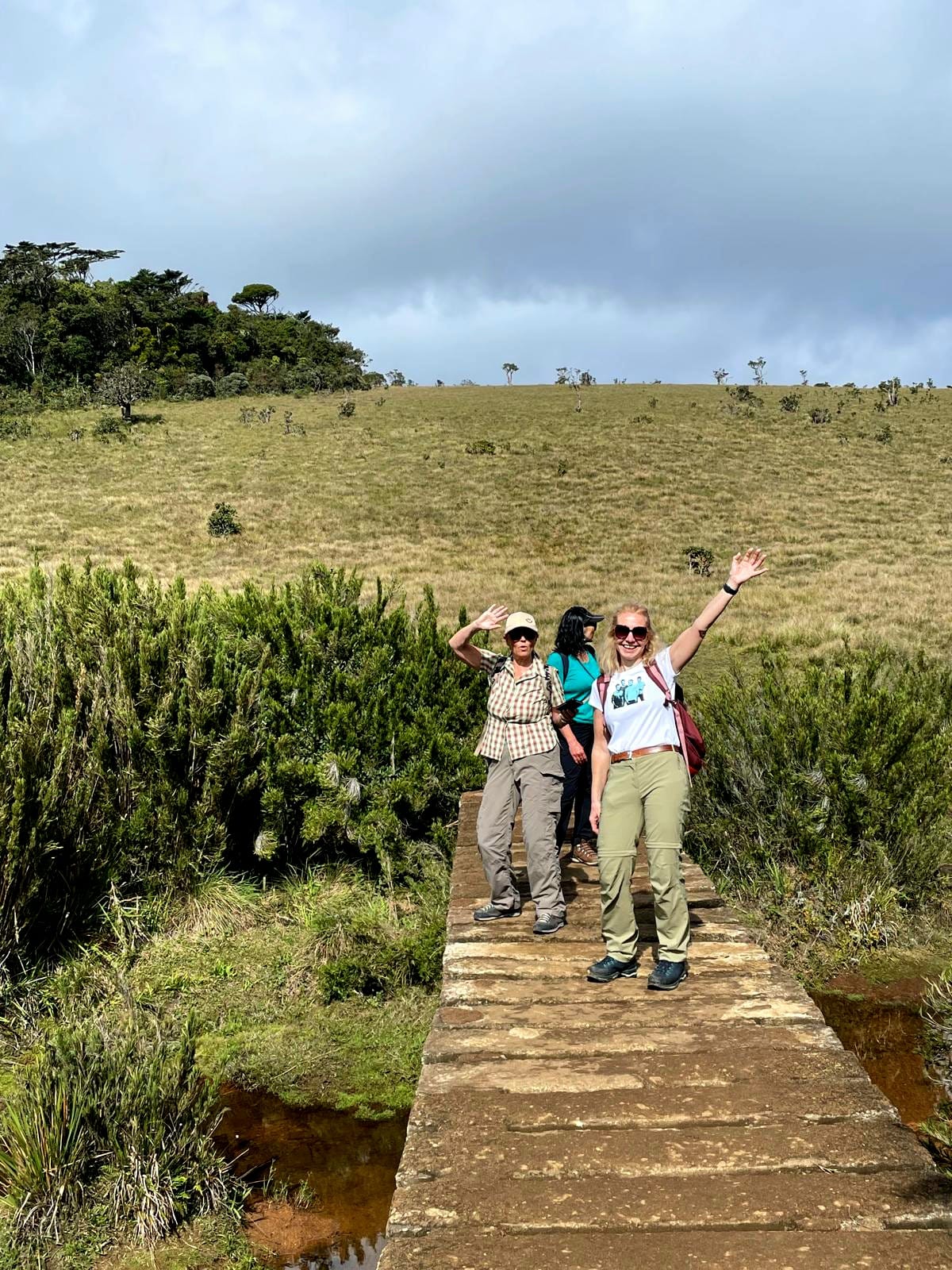
Ultimate Sri Lanka Discovery - 20 Days
Experience the most comprehensive Sri Lankan journey covering ancient cities, pristine beaches, wildlife, Adam's Peak pilgrimage, and cultural highlights.
Wilpattu National Park - frequently asked questions
Yala has the higher density and more frequent sightings. Wilpattu has far fewer vehicles, so when you do find a leopard you are likely to have it to yourself. Choose Yala for probability, Wilpattu for the quality of the experience.
February to October. The drier months concentrate wildlife around the villus, which makes sightings considerably more predictable in an otherwise densely forested park.