
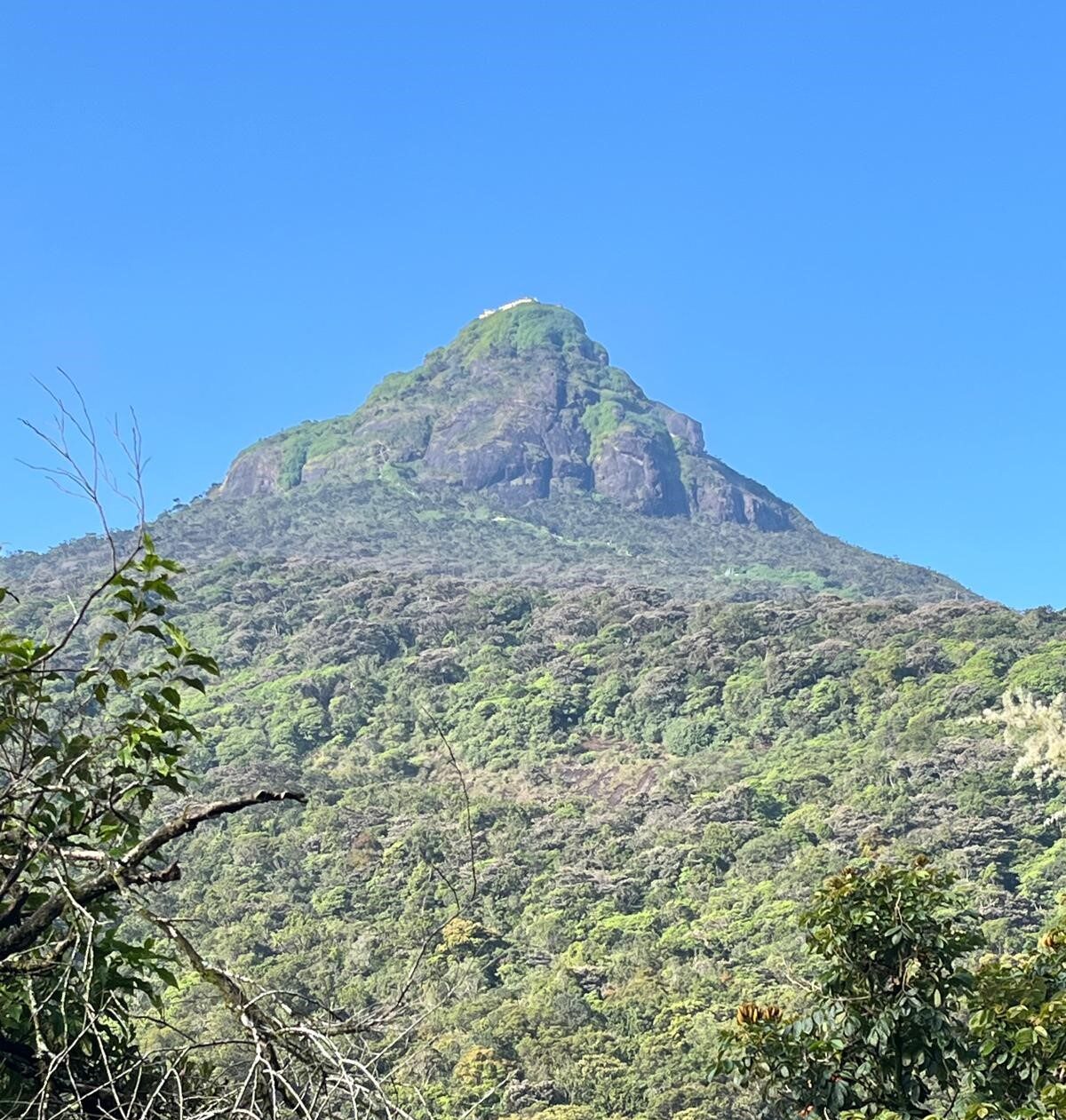
Adam's Peak (Sri Pada)
A 2,243m pilgrimage climbed through the night for one of the great sunrises
Adam's Peak - Sri Pada, the sacred footprint - rises to 2,243 metres in the central highlands. A rock formation at the summit is revered as the footprint of the Buddha by Buddhists, of Shiva by Hindus, and of Adam by Muslims and Christians, which makes it one of the few genuinely shared pilgrimage sites in the world. Climbers set off in the dark to reach the top for sunrise, when the mountain casts a famous triangular shadow across the cloud below.
The climb
Roughly 5,500 steps from Nallathanniya, the standard trailhead. Most people take 3-5 hours up. It is not technical - it is stairs - but it is relentless, and the final section is steep enough that handrails matter. The descent punishes knees more than the ascent punishes lungs.
Start between 2.00am and 2.30am to reach the summit before sunrise. During the pilgrimage season the path is lit and lined with tea stalls the whole way, so a torch is useful rather than essential.
Season and conditions
The pilgrimage season runs from the December full moon (Unduvap Poya) to the May full moon (Vesak). Outside it the path is unlit, the summit shrine is closed, the tea stalls shut and the weather is often poor - the climb is possible but a different, lonelier proposition.
Weekends and full-moon nights inside the season can mean queues on the stairs. A weeknight in January or February is the sweet spot: clear skies, manageable crowds.
It is cold at the top - 5-10°C with wind - after a hot sweaty climb. Bring a layer you can put on at the summit.
Highlights of Adam's Peak
- Sunrise from 2,243 m above the cloud layer
- The mountain's triangular shadow cast at dawn
- Sacred to Buddhists, Hindus, Muslims and Christians alike
- Lit path and tea stalls throughout the pilgrimage season
- One of the most atmospheric night walks in Asia
Tours that visit Adam's Peak
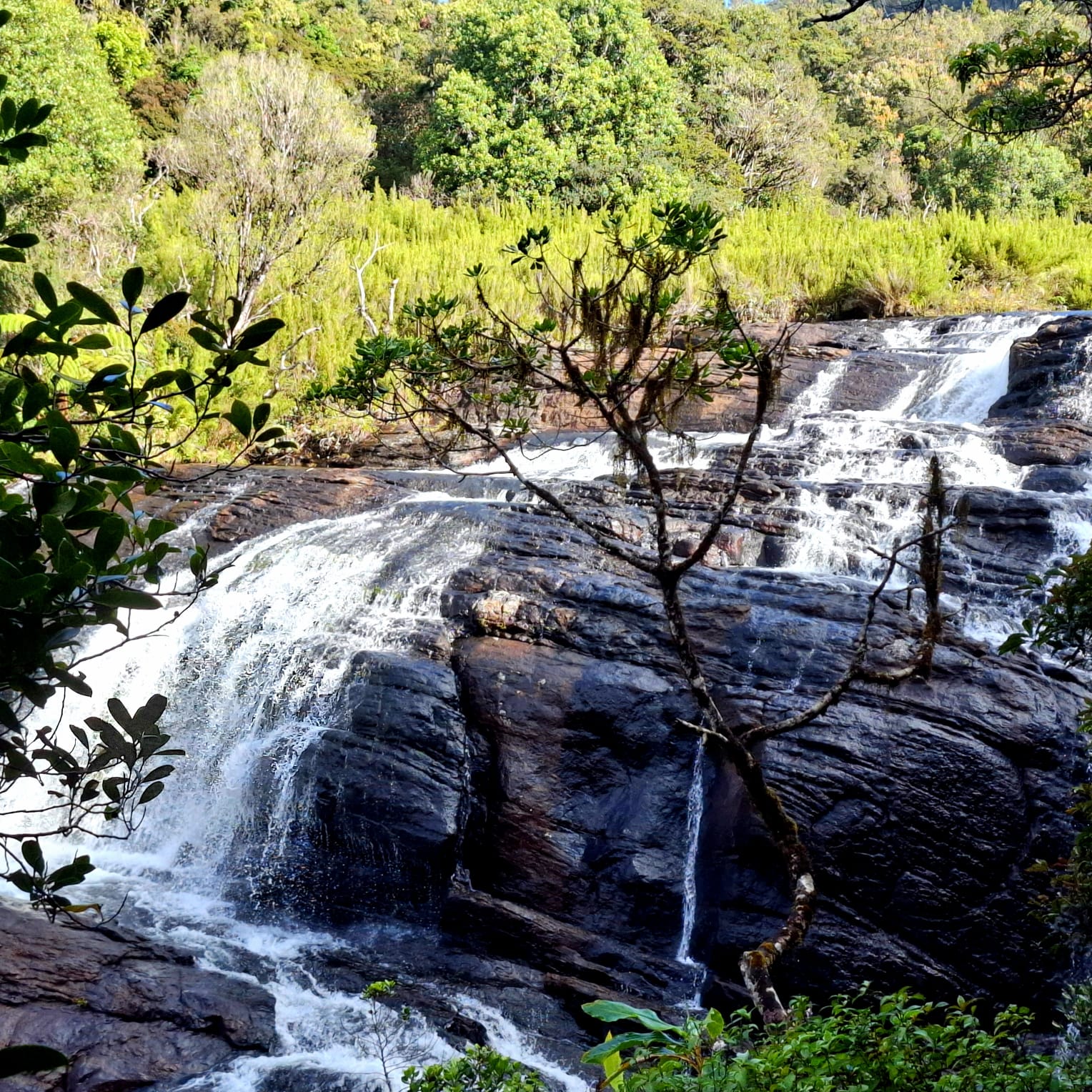
Grand Sri Lanka Adventure - 14 Days
The ultimate Sri Lankan experience combining ancient cities, Adam's Peak pilgrimage, hill country, wildlife, and beach relaxation.
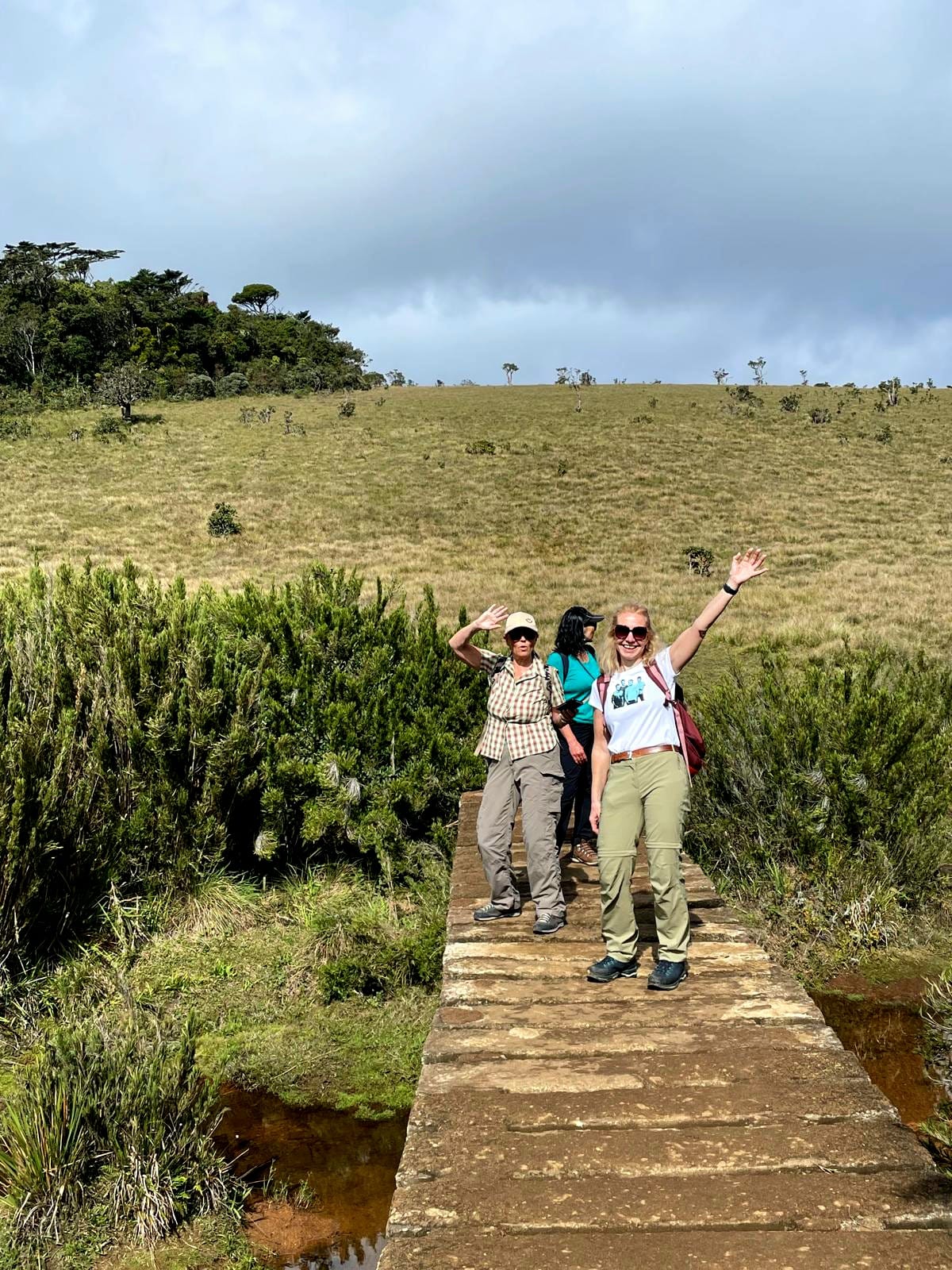
Ultimate Sri Lanka Discovery - 20 Days
Experience the most comprehensive Sri Lankan journey covering ancient cities, pristine beaches, wildlife, Adam's Peak pilgrimage, and cultural highlights.
Adam's Peak - frequently asked questions
Physically demanding but not technical - about 5,500 steps taking 3-5 hours up. Reasonable fitness is enough; the descent is harder on knees than the ascent is on lungs. Take it in stages and allow more time than you think.
Between 2.00am and 2.30am to reach the summit before sunrise. Add a buffer on weekends and full-moon nights during the season, when queues form on the upper stairs.
From the December full moon (Unduvap Poya) to the May full moon (Vesak). Outside this window the path is unlit, the summit shrine is closed and the weather is usually poor.