
Trincomalee
The east coast alternative - best exactly when the south coast is wet
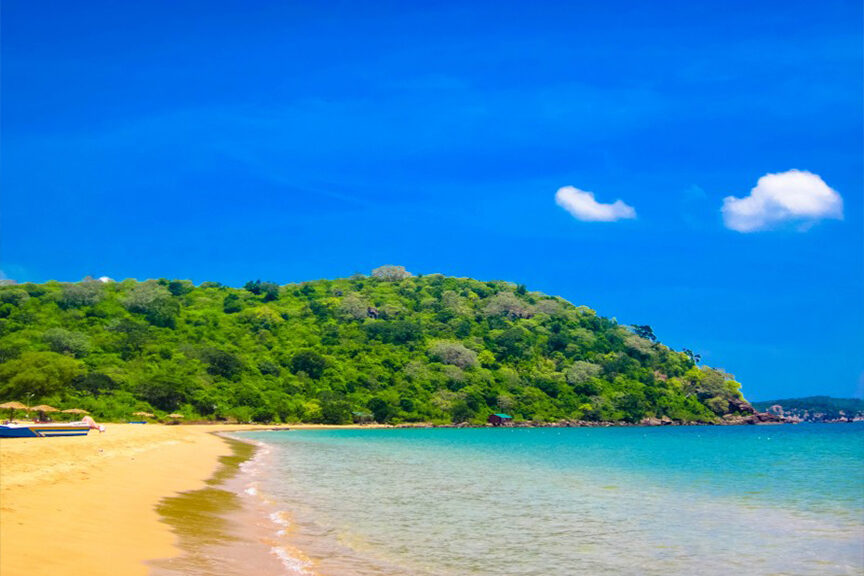
Trincomalee sits on one of the finest natural deep-water harbours in the world, 237 km north-east of Colombo. It matters to travellers for two reasons: the beaches at Nilaveli and Uppuveli are as good as anything in the south, and the east coast season runs opposite to the south-west's. When Mirissa is being rained on from May to September, Trincomalee is calm and clear.
Beaches and Pigeon Island
Nilaveli and Uppuveli are long, wide and shallow, with far fewer people than the south. Marble Beach, on navy land south of town, is exactly what the name suggests - flat, clear, sheltered water.
Pigeon Island National Park lies a short boat ride off Nilaveli and holds one of the country's better-preserved coral reefs. Snorkelling here regularly turns up blacktip reef sharks in the shallows, plus turtles and large shoals of reef fish. Numbers on the island are capped, so go early.
Koneswaram Temple
A Hindu temple to Shiva on Swami Rock, a cliff dropping straight into the sea at the end of the harbour. The site is ancient - referenced in Tamil literature well over a thousand years ago - and the Portuguese destroyed the original in 1624, pushing much of it into the water below, where some of it has since been recovered by divers. The current temple and its cliff-edge setting are the most striking thing in the town.
Highlights of Trincomalee
- Nilaveli and Uppuveli beaches
- Pigeon Island reef, turtles and blacktip sharks
- Koneswaram Temple on Swami Rock
- Whale and dolphin watching, June to August
- In season when the south-west coast is not
Tours that visit Trincomalee
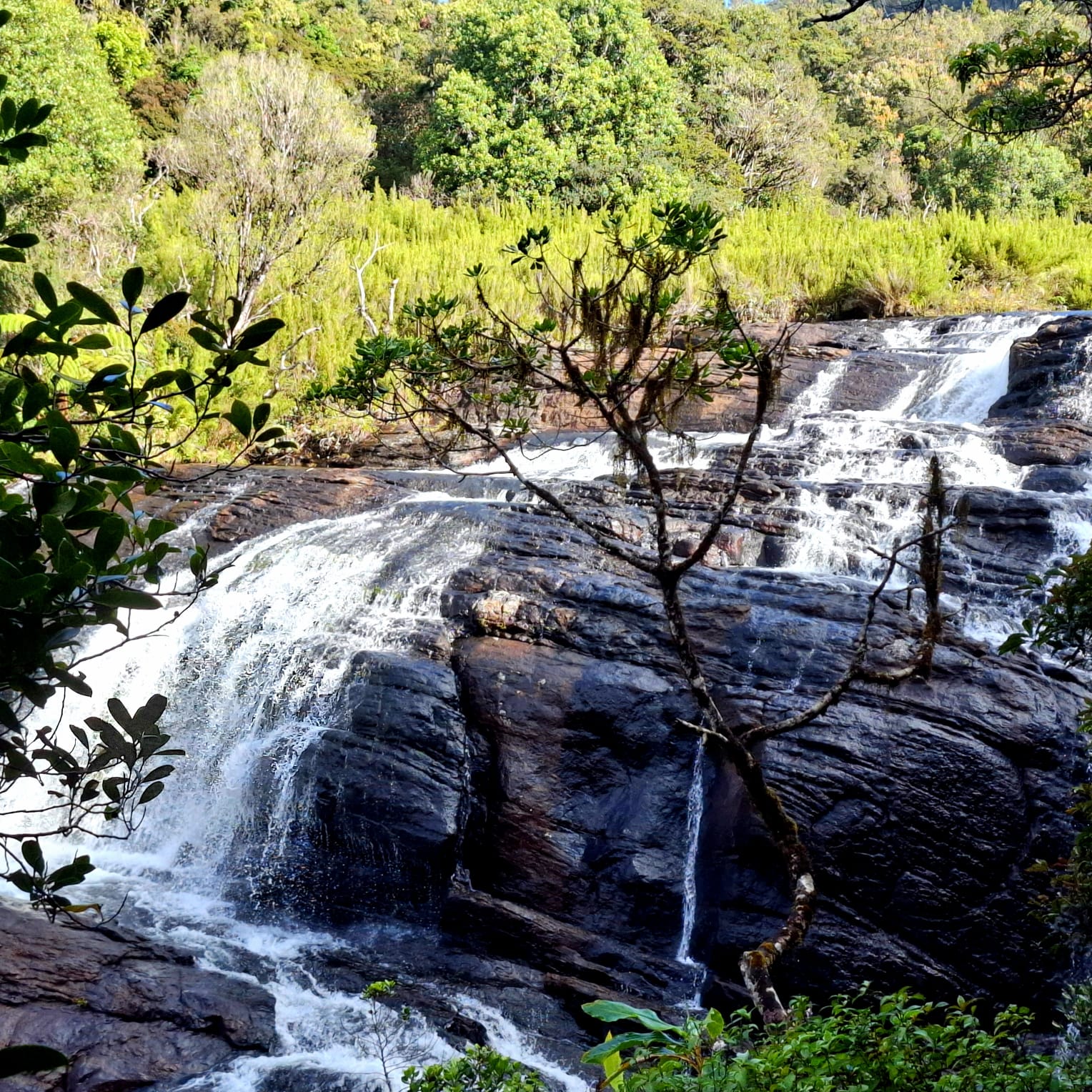
Grand Sri Lanka Adventure - 14 Days
The ultimate Sri Lankan experience combining ancient cities, Adam's Peak pilgrimage, hill country, wildlife, and beach relaxation.
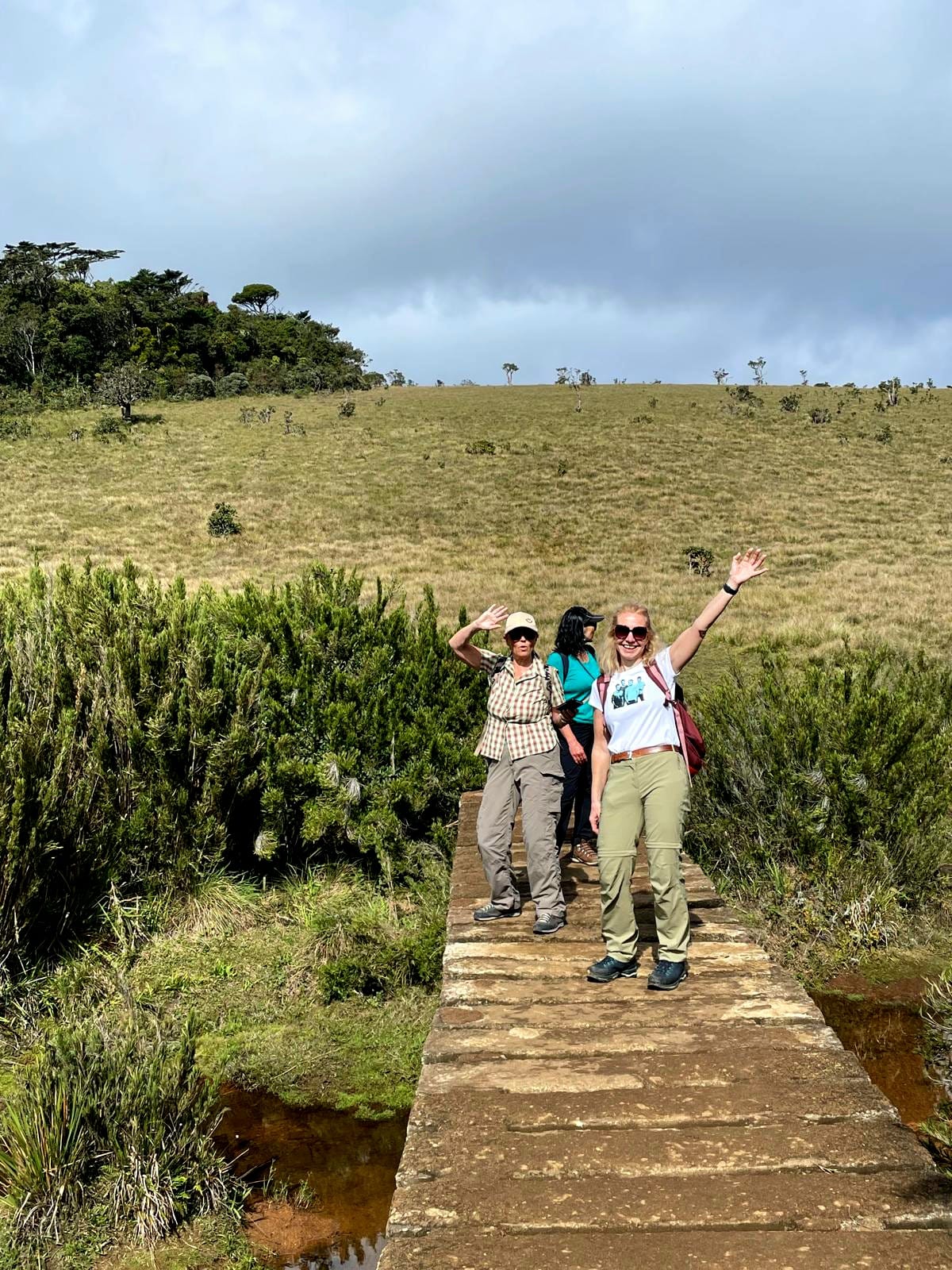
Ultimate Sri Lanka Discovery - 20 Days
Experience the most comprehensive Sri Lankan journey covering ancient cities, pristine beaches, wildlife, Adam's Peak pilgrimage, and cultural highlights.
Trincomalee - frequently asked questions
May to September. The east coast season is the inverse of the south-west, so Trincomalee is at its best during exactly the months when Mirissa and Unawatuna are wet and rough.
Yes, if you snorkel or dive. It has one of the better-preserved reefs in Sri Lanka, with blacktip reef sharks commonly seen in the shallows. Visitor numbers are limited, so an early boat is worth arranging.
Approximately 110 km, or 2.5 hours by road - which makes it an easy addition after the Cultural Triangle rather than a separate trip.