
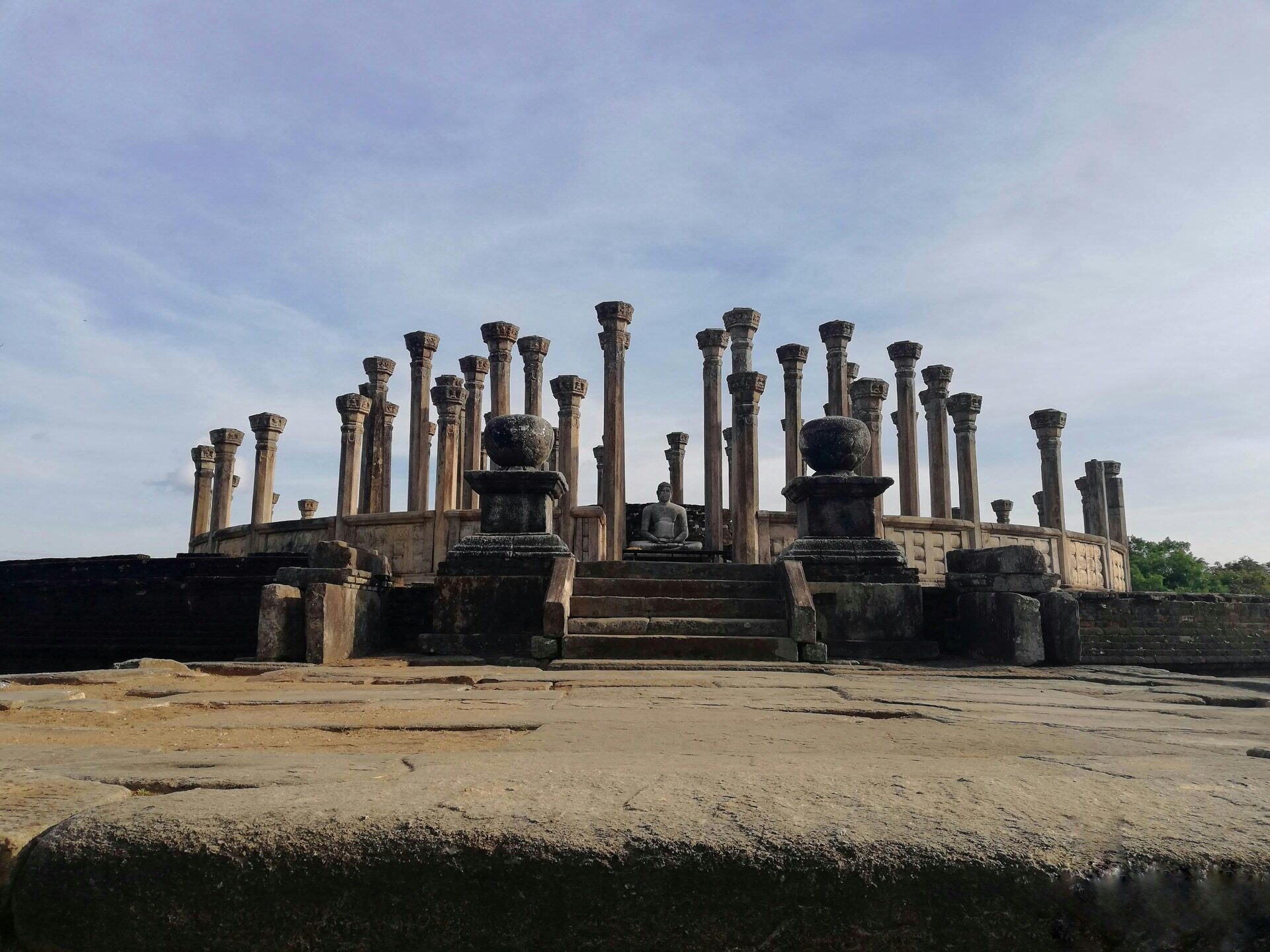
Polonnaruwa
Sri Lanka's medieval capital - compact, well preserved and easy to cycle
Polonnaruwa became the capital after Anuradhapura fell in the 11th century and flourished for roughly two hundred years, peaking under King Parakramabahu I. Because it was occupied for a shorter period and abandoned rather than built over, it is far better preserved and much more compact than Anuradhapura - most visitors cycle it in half a day. UNESCO listed it in 1982.
Gal Vihara
Four colossal Buddha images carved from a single granite wall, and the finest stone sculpture in Sri Lanka: a 7-metre seated Buddha, a smaller seated figure in an artificial cave, a 7-metre standing figure with an unusual crossed-arm posture, and a 14-metre reclining Buddha entering parinirvana. The grain of the rock was used deliberately - you can see it run through the robes.
The rest of the site
The Royal Palace of Parakramabahu was reportedly seven storeys; three remain, with walls three metres thick. The Quadrangle packs the Vatadage, Hatadage and Thuparama into one raised terrace - the Vatadage's guardstones and moonstone are the most refined carving of the period.
Parakrama Samudra, the "Sea of Parakrama", is a 12th-century reservoir covering some 25 square kilometres, built on the principle its creator is remembered for: that not one drop of rain should reach the sea without serving humanity first. It still irrigates the district.
Highlights of Polonnaruwa
- Gal Vihara - four Buddhas cut from one granite face
- The Vatadage and the Quadrangle group
- Royal Palace of Parakramabahu I
- Parakrama Samudra reservoir, still irrigating today
- Compact enough to cycle in a morning
Tours that visit Polonnaruwa
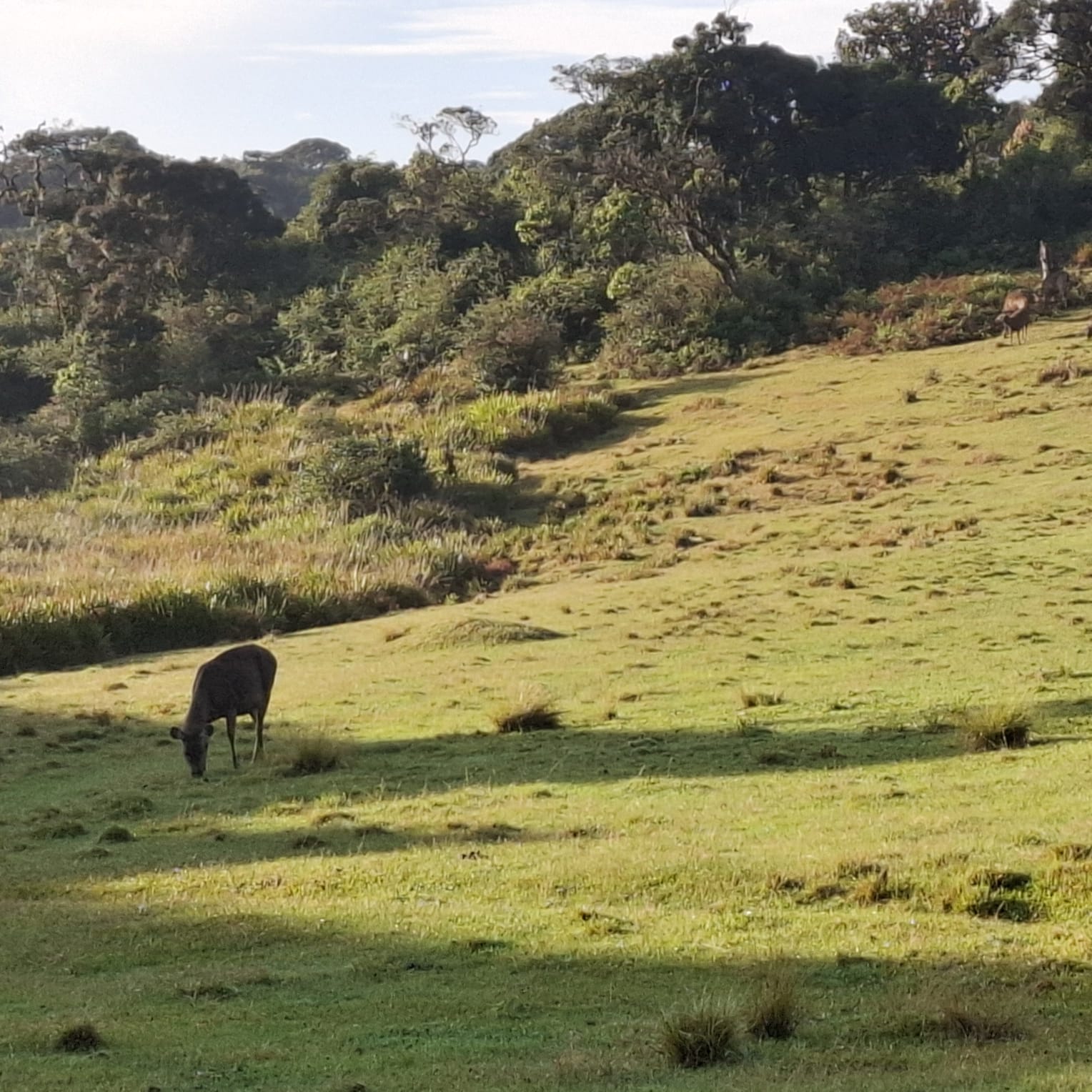
Complete Sri Lanka Explorer - 10 Days
Experience the best of Sri Lanka from ancient cities to wildlife safaris and hill country adventures on this comprehensive 10-day tour.
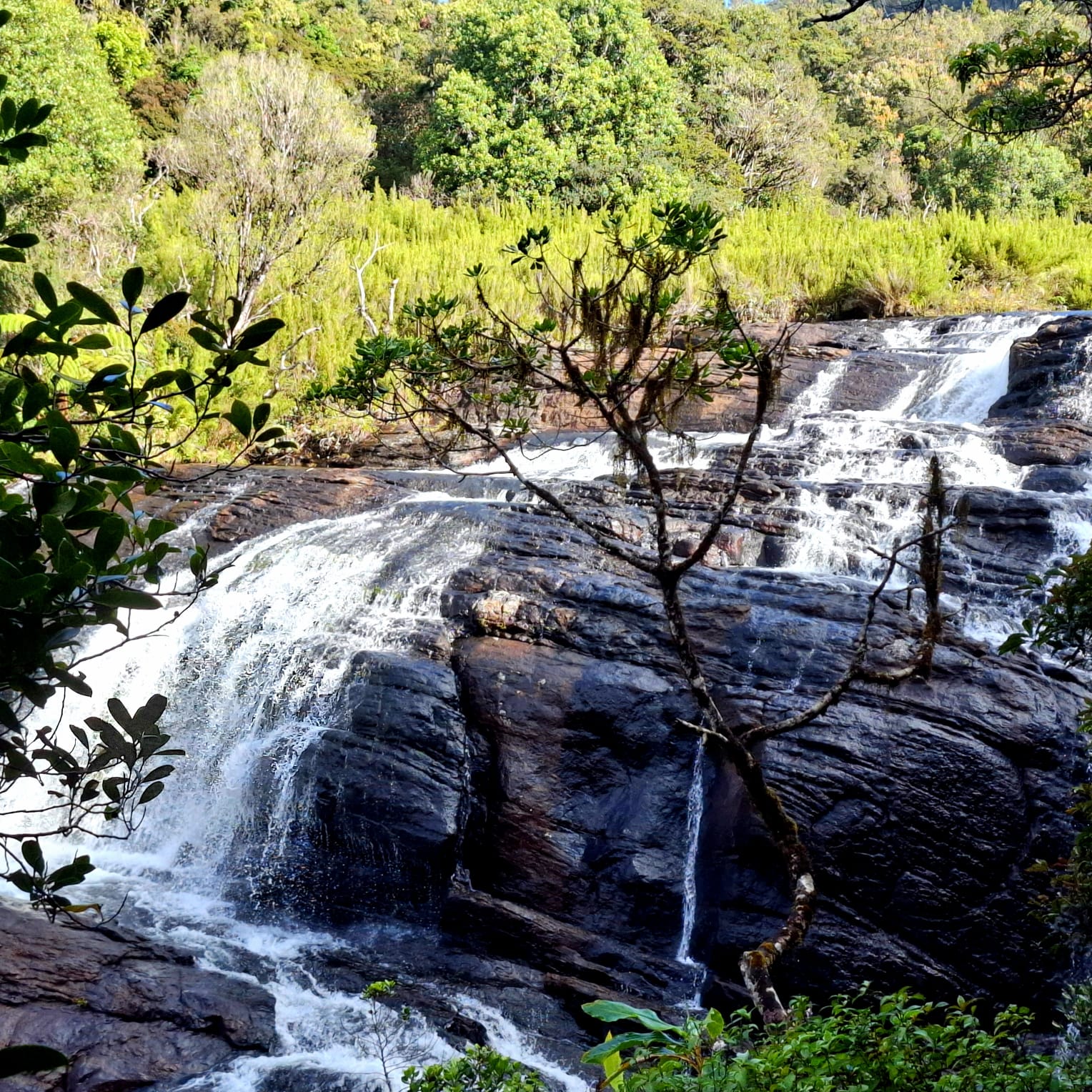
Grand Sri Lanka Adventure - 14 Days
The ultimate Sri Lankan experience combining ancient cities, Adam's Peak pilgrimage, hill country, wildlife, and beach relaxation.
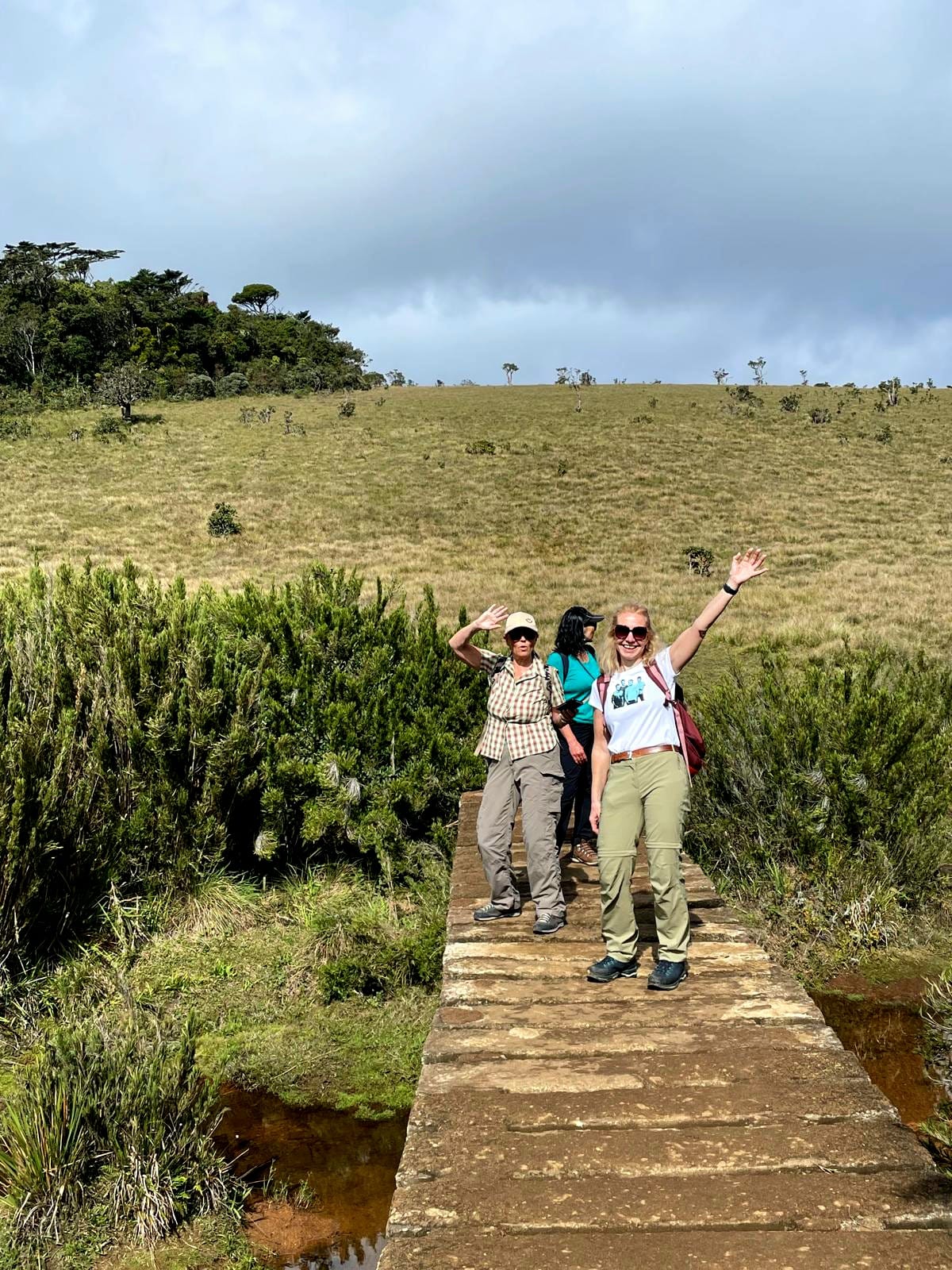
Ultimate Sri Lanka Discovery - 20 Days
Experience the most comprehensive Sri Lankan journey covering ancient cities, pristine beaches, wildlife, Adam's Peak pilgrimage, and cultural highlights.
Polonnaruwa - frequently asked questions
Three to four hours covers the site comfortably by bicycle, or half a day at a relaxed pace with a vehicle. It is far more compact than Anuradhapura.
Yes - it is flat, shaded in places and bicycles are widely available near the entrance. Cycling is the most popular way to see the site, though the midday heat is serious in the dry zone.
A rock temple with four large Buddha images carved from a single granite wall in the 12th century, including a 14-metre reclining figure. It is widely considered the finest stone sculpture in Sri Lanka.