
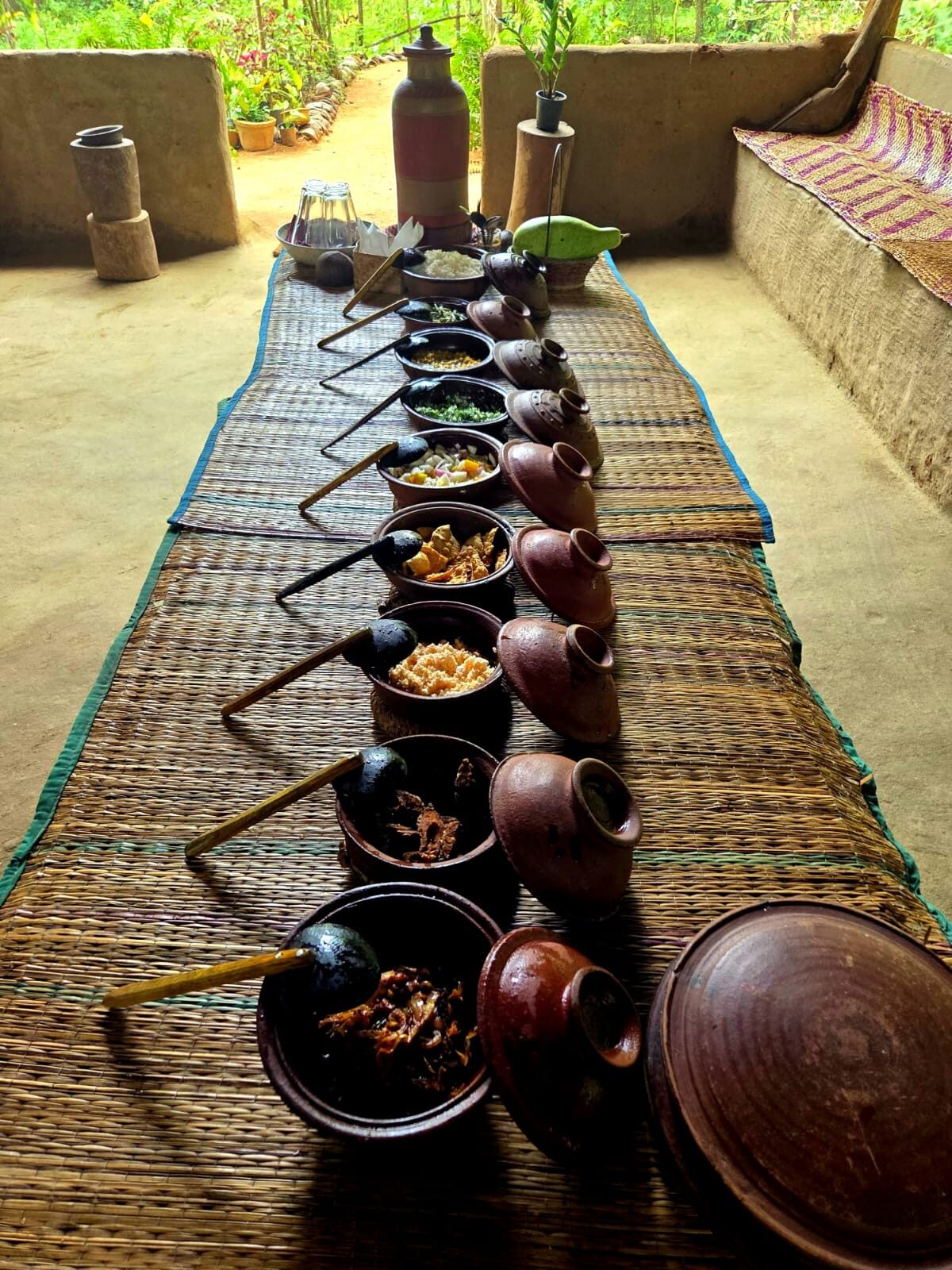
Sri Lankan cuisine is a vibrant tapestry of flavors influenced by the island's history, colonial past, geographic location, and the availability of fresh local ingredients. With its bold use of spices, coconut, and fresh seafood, Sri Lankan food offers a distinct culinary experience that deserves more international recognition. This guide will take you through some of the most delicious local delicacies you simply must try when visiting this beautiful island nation.
Rice and Curry: The Heart of Sri Lankan Cuisine
The cornerstone of Sri Lankan cuisine is undoubtedly the rice and curry meal. Unlike a single curry dish, this is a spread consisting of steamed rice accompanied by multiple curry dishes, sambols (spicy condiments), pickles, and crunchy poppadoms. A typical Sri Lankan rice and curry meal includes:
- Protein curry - Could be fish, chicken, beef, or egg
- Dhal curry (parippu) - Made with red lentils, coconut milk, and spices
- 2-3 vegetable curries - Often including jackfruit, eggplant, okra, or green beans
- Pol sambol - A spicy coconut relish with red chili, lime, and onions
- Mallum - Shredded green leaves mixed with coconut and spices
The curry powders used in Sri Lanka are usually roasted, giving them a deeper and more complex flavor profile than those found in neighboring India.
Hoppers (Appa): A Unique Breakfast Experience
Hoppers are a uniquely Sri Lankan food that has begun gaining international acclaim. These bowl-shaped pancakes are made from a fermented batter of rice flour, coconut milk, and a hint of sugar. The batter is swirled around a small wok-like pan to create a pancake that's thick and spongy in the middle and thin and crispy around the edges. Variations include:
- Plain hoppers - Served with coconut sambol and seeni sambol (caramelized onion relish)
- Egg hoppers - With an egg broken into the center and cooked
- Milk hoppers - Sweet versions with a drizzle of coconut milk
- String hoppers (idiappa) - Made from rice flour pressed into thin noodles and then steamed
Kottu Roti: Sri Lanka's Beloved Street Food
If there's one dish that captures the essence of Sri Lankan street food, it's kottu roti. This popular dish is made by stir-frying chopped roti (flatbread) with vegetables, eggs, and meat (chicken, beef, or mutton), all mixed with spices and sauces on a hot griddle. What makes kottu roti a truly distinctive experience is not just its taste but also the rhythmic sound of metal choppers hitting the griddle as the chef prepares this delicious dish right before your eyes.
Lamprais: A Dutch-Sri Lankan Fusion
This Dutch-influenced dish consists of rice cooked in meat stock, along with a special mixed meat curry (featuring three different meats), frikkadels (Dutch-style meatballs), blachan (a shrimp paste), and ash plantain curry, all wrapped in a banana leaf and baked. The banana leaf imparts a unique aroma to the rice and curries while keeping everything moist during baking. Lamprais is a perfect example of Sri Lanka's colonial influence on its cuisine.
Seafood: The Bounty of the Indian Ocean
Being an island nation, Sri Lanka naturally excels in seafood dishes. From the southern beaches to the northern peninsula, you'll find incredible preparations of fresh catch, including:
- Ambulthiyal - Fish preserved in a paste of goraka (a souring fruit), black pepper, turmeric, and salt
- Isso (prawn) curry - Made with coconut milk, mustard seeds, and fenugreek
- Crab curry - Particularly famous from Jaffna, cooked with distinct northern spices
- Karawala (dried fish) - Used in various preparations like curries and sambols
Sweet Treats and Desserts
Sri Lankan desserts often feature coconut, rice flour, palm jaggery, and various fruits. Some must-try sweets include:
- Watalappan - A rich custard made with coconut milk, jaggery, eggs, and spices
- Kiribath - Milk rice often served during celebrations and the Sinhala New Year
- Kavum - Deep-fried rice flour and treacle cakes
- Curd and Treacle - Buffalo milk curd served with kithul treacle (palm syrup)
Spices and Condiments: The Flavor Foundations
Sri Lanka was historically known as the "Spice Island" for good reason. The country produces some of the world's finest cinnamon (true cinnamon, not cassia), cloves, cardamom, and pepper. These spices form the foundation of Sri Lankan cuisine, along with:
- Curry leaves - Adding a distinct aroma to many dishes
- Pandan leaves - Used to infuse rice and curries with a unique flavor
- Goraka - A souring agent used particularly in fish preparations
- Fresh coconut - Used in countless forms from milk to grated flesh to oil
Where to Experience Sri Lankan Food
To truly experience Sri Lankan cuisine, consider these options:
- Local homes - Home-cooked food gives you the most authentic experience
- Small family-run restaurants (kadé) - Often serve the best rice and curry
- Cooking classes - Available in many tourist areas, especially Galle and Ella
- Market visits - The Pettah Market in Colombo offers a sensory overload of spices
Conclusion
Sri Lankan cuisine remains one of the world's underappreciated culinary treasures. Its bold flavors, generous use of spices, and unique preparations make it a food lover's paradise. From the ubiquitous rice and curry to street food favorites like kottu roti, the island offers a diverse range of flavors that reflect its multicultural heritage and abundant natural resources. For the culinary adventurer, Sri Lanka promises a feast for all the senses.