Yala National Park
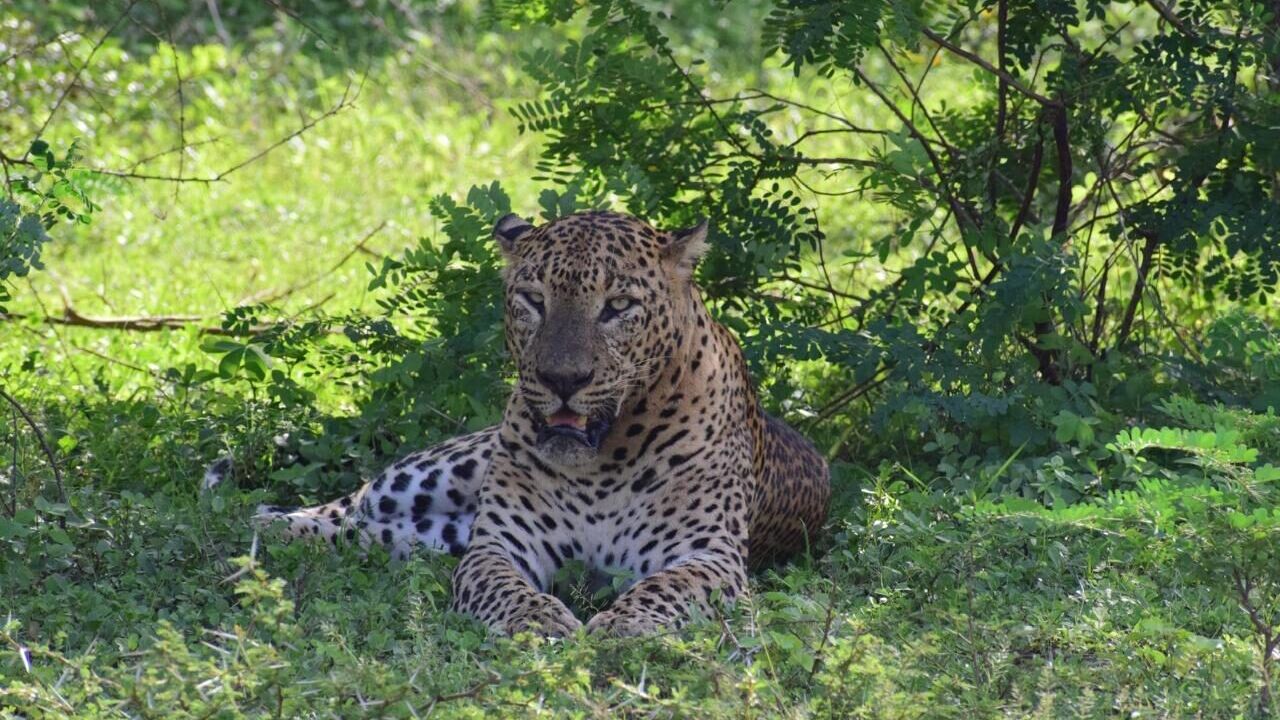
The highest density of leopards of any park on earth
Yala is Sri Lanka's second-largest national park and its most visited, straddling the Southern and Uva provinces on the south-east coast. Its reputation rests on leopards: Block 1, the section open to most visitors, is credited with one of the densest leopard populations anywhere in the world. Elephants, sloth bears, crocodiles, buffalo and well over 200 bird species share the scrub, lagoons and dune forest.
What you are likely to see
Leopards are the headline and sightings are genuinely common by global standards, but they are never guaranteed - anyone who promises you a leopard is selling something. Elephants are close to certain. Sloth bears appear most often in June and July when the palu fruit ripens.
Crocodiles, water buffalo, spotted deer, wild boar, peacocks and painted storks are routine. Birders should bring binoculars: the lagoons hold flamingos and pelicans in the northern winter.
Morning or afternoon drive?
Morning drives start around 5.30-6.00am and run about four hours - cooler, more active animals, and the best light. Afternoon drives leave around 2.30-3.00pm and finish at sunset; they are usually quieter for traffic and good for leopards moving to water.
Full-day drives are possible and increase your odds considerably. Whatever you choose, the first jeeps at the gate get the least-disturbed sightings, which is the practical argument for staying nearby the night before rather than driving in from Ella at dawn.
Practicalities and the closed season
Block 1 normally closes for around a month between early September and mid-October for drought management, though the dates move. When Yala is closed, Udawalawe and Wilpattu are the alternatives and neither is a consolation prize - Udawalawe beats Yala outright for guaranteed elephants.
Costs come in two parts: park entrance (paid per person, plus vehicle and service charges) and the jeep itself. Booking a private jeep rather than a shared one is the single biggest quality difference - you are not negotiating with five strangers about whether to wait at a waterhole.
Highlights of Yala National Park
- Sri Lankan leopard - highest recorded density worldwide
- Sloth bears, most visible in June and July
- Wild elephants and large herds at the waterholes
- Lagoon birdlife including flamingos and pelicans
- Coastal dune forest meeting the Indian Ocean
Tours that visit Yala National Park
Complete Sri Lanka Explorer - 10 Days
Experience the best of Sri Lanka from ancient cities to wildlife safaris and hill country adventures on this comprehensive 10-day tour.
Grand Sri Lanka Adventure - 14 Days
The ultimate Sri Lankan experience combining ancient cities, Adam's Peak pilgrimage, hill country, wildlife, and beach relaxation.
Ultimate Sri Lanka Discovery - 20 Days
Experience the most comprehensive Sri Lankan journey covering ancient cities, pristine beaches, wildlife, Adam's Peak pilgrimage, and cultural highlights.
Yala National Park - frequently asked questions
Yala Block 1 has one of the highest leopard densities in the world and sightings are common, particularly on early-morning and full-day drives between February and July. No operator can guarantee a sighting, and you should be sceptical of any who does.
Budget roughly USD 25-40 per person for park entrance and associated charges, plus around USD 40-60 for the jeep itself on a half-day drive. We arrange the jeep and tickets and confirm current rates before you commit.
Morning drives are cooler with more animal activity and better light. Afternoon drives are often less crowded and good for predators moving toward water at dusk. A full-day drive materially improves your odds if leopards are the priority.
Block 1 typically closes for around a month between early September and mid-October, though the dates vary each year. Udawalawe and Wilpattu remain open and make strong substitutes.